
CFOs and Finance Directors for Cayman fund managers, fund administrators, insurers, structured finance vehicles and family offices. Searches are run by FD Capital’s specialist team, with Adrian Lawrence FCA overseeing each mandate.
The finance leader behind the fund structure
The Cayman Islands is a British Overseas Territory in the western Caribbean and one of the most important domiciles in the world for investment funds. Hedge funds, private equity funds, private credit and real asset vehicles are routinely set up as Cayman exempted companies or exempted limited partnerships, alongside structured finance vehicles, captive insurers and family holding structures. The Cayman Islands Monetary Authority (CIMA) regulates the sector. Cayman Finance, the industry association, represents the firms that service it.
Much of the investment decision-making behind those funds happens in London, New York or Hong Kong, but the legal entities, the audits, the regulatory filings and the governance sit in Cayman. That creates a particular kind of finance leadership role. A Cayman CFO, whether on the island or overseeing Cayman entities from elsewhere, has to understand fund accounting, investor reporting, CIMA filings, anti-money laundering obligations and the economic substance rules, and has to be credible in front of institutional investors and auditors.
FD Capital International runs searches for businesses that need that kind of leader, on a permanent, interim or fractional basis. Our service is client-led: we find finance leaders for fund managers and other Cayman businesses, rather than placing candidates who want to move to the Caribbean.
Funds, banking, insurance, securities and fiduciary business.
Plus structured finance, trusts and family offices.
Economic substance and FATCA/CRS reporting apply.
Funds regulation and economic substance
Two sets of rules shape the finance function of almost every Cayman fund business. The first is CIMA’s funds regime. Open-ended funds fall under the Mutual Funds Act, and since the Private Funds Act 2020 most closed-ended funds, including the private equity, venture and private credit vehicles that previously sat outside regulation, must also register with CIMA. Registration brings ongoing obligations that land on the finance team:
- an annual audit by a Cayman-approved auditor, with audited financial statements filed with CIMA after each year end;
- an annual fund return to CIMA setting out key operating and financial information;
- for private funds, documented policies on the valuation of assets, the safekeeping of assets, cash monitoring and the identification of securities;
- appointment of an anti-money laundering compliance officer and money laundering reporting officers, with controls the finance function has to support.
The second is economic substance. Cayman’s economic substance legislation requires entities carrying on certain relevant activities, including fund management, to show that the activity is genuinely directed and managed in the islands, with adequate people, premises and spending. Investment funds themselves are treated differently from fund managers, which is why the analysis has to be done entity by entity. Each year, entities make notifications and, where they are in scope, file returns with the Department for International Tax Cooperation, which also handles FATCA and CRS reporting.
This is where Cayman roles differ from a standard fund CFO role in London. A CFO who understands where the substance requirements apply, how the governance calendar fits around CIMA’s deadlines and how the reporting connects across manager, fund and feeder entities is worth a great deal to a board. We test candidates on it in every Cayman search.
What Cayman CFOs are responsible for
Fund managers and investment advisers
Many Cayman-domiciled funds are managed by a firm registered with CIMA under the Securities Investment Business Act, sometimes alongside an adviser in London or New York. The CFO looks after the management company’s own accounts, management and performance fee calculations, and the oversight of the third-party administrator that calculates the funds’ net asset value. They are also the person institutional investors meet during operational due diligence, when pension funds, endowments and sovereign wealth funds test whether the finance function is independent, controlled and properly staffed. A qualified accountant with a clear grasp of controls makes a real difference to how that process goes, and many managers look for an ICAEW or equivalent qualification.
Private equity, credit and real assets
Closed-ended funds bring a different workload. The CFO of a manager with Cayman private equity or private credit vehicles oversees capital calls and distributions, distribution waterfalls and carried interest, management fee offsets, and the capital account statements that limited partners receive each quarter. Valuation of unlisted investments is the area auditors and investors probe hardest, and fair value measurement under IFRS or US GAAP requires judgement as well as process. Groups with several fund vintages and parallel vehicles often need someone of Group CFO calibre to keep the structure coherent.
Fund administrators and corporate services
George Town is home to a large community of fund administrators, corporate service providers and directors’ firms. Their finance leaders run a service business rather than a fund: revenue recognition across many client entities, pricing, regulatory capital where the business is licensed, and increasingly the reporting that private equity owners of these businesses expect. That is a commercial finance role in a regulated setting.
Insurance, structured finance and family offices
Cayman is a significant captive insurance domicile, particularly for healthcare captives owned by US hospital and physician groups, and its insurers are licensed by CIMA under the Insurance Act. Structured finance vehicles, such as those used in securitisations and aircraft financing, need accurate accounts and coordination with trustees and administrators. Family offices and private trust companies use Cayman structures to hold global portfolios. Many of these entities do not need a full-time finance leader, but they do need senior oversight that a fractional CFO can provide.
How Cayman CFO roles are structured
Cayman roles fall into two groups. Businesses with real operations on the island, such as administrators, insurers and managers that have built substance there, usually hire a permanent CFO in George Town. Managers whose funds are domiciled in Cayman but whose teams sit elsewhere often use a fractional CFO based in the UK or the US, who visits for board meetings, audit sign-off and regulatory work. Interim appointments cover departures, operational due diligence preparation or a change of administrator. The ranges below are indicative and vary with the size of the business and the experience required.
| Engagement | Typical package | Notes |
|---|---|---|
| Permanent CFO, George Town-based | US$220,000 to US$450,000+ total package | Usually with housing support, flights and medical cover |
| Interim CFO, Cayman assignment | US$1,500 to US$3,000 a day, plus accommodation | For a defined project or period |
| Fractional CFO, UK-based with visits | £1,000 to £2,000 a day | Travel costs charged separately |
The Cayman Islands has no income tax, capital gains tax or corporate tax, so packages are quoted in US dollars without deductions for income tax. Employers do have to provide pension and health insurance cover, and the cost of living, particularly housing in and around George Town, is high. Non-Caymanians need a work permit, which is administered by Workforce Opportunities and Residency Cayman (WORC) under the Cayman Islands Government, and the employer has to allow time for the application and any local advertising requirement before the start date. FD Capital’s CFO pay guide gives UK comparisons for candidates weighing a move.
Finding the right finance leader for a Cayman business
- A detailed brief. We start with the structure: which entities are in Cayman, what CIMA registrations they hold, where the substance sits, who the administrator and auditor are, and whether the role needs to be on the island at all.
- A targeted search. The pool of finance leaders with Cayman fund experience is small and mostly in post. We approach executives in George Town and in London, New York and other fund centres, including finance leaders who have worked with Cayman structures from onshore, drawing on FD Capital Group’s wider CFO executive search network.
- Technical assessment. Candidates are tested on fund accounting, valuation, CIMA filings, anti-money laundering responsibilities and economic substance, by people who understand finance.
- Investor credibility. For fund managers we look closely at how candidates would handle operational due diligence and investor questions, because that is often where the role is judged.
- Support to appointment. We manage interviews, references, offer negotiation and, for on-island roles, the work permit timetable through to the start date.
Cayman CFO recruitment questions
Does our CFO need to live in the Cayman Islands?
Not always. It depends on what the Cayman entities do and how the economic substance rules apply to them. A fund manager carrying on a relevant activity in Cayman may need management and decision-making on the island, while a fund that is managed from London may only need a CFO who visits. We will ask your legal advisers’ view at the brief stage and recruit for the arrangement that fits, whether that is on-island, remote or a mix of the two.
What does a newly registered private fund need from its finance function?
Registration under the Private Funds Act brings an annual audit, a filing with CIMA after each year end, an annual return and documented procedures for valuation, safekeeping of assets, cash monitoring and identification of securities. A small manager may not need a full-time CFO to meet these, but it does need someone senior who owns the calendar and the controls. A fractional CFO is often the right answer.
Can you find a CFO with both Cayman and onshore fund experience?
Yes. Many of the strongest candidates have worked for a manager in London or New York and handled Cayman feeder and master funds from there, or have spent time at a George Town administrator or audit firm. Where Cayman experience is hard to find, we also look at finance leaders from comparable centres such as Bermuda, the British Virgin Islands and the Channel Islands, and tell you honestly how quickly they would get up to speed.
How is a Cayman search different from a Jersey or Guernsey search?
All three are established offshore centres, but Cayman fund work is more closely tied to US investors, US GAAP and New York counsel, while the Channel Islands are more closely tied to London and Europe. Cayman roles are also paid in US dollars with no income tax, and on-island hires involve a long-haul relocation. We run each search with that context in mind.
Other offshore centres
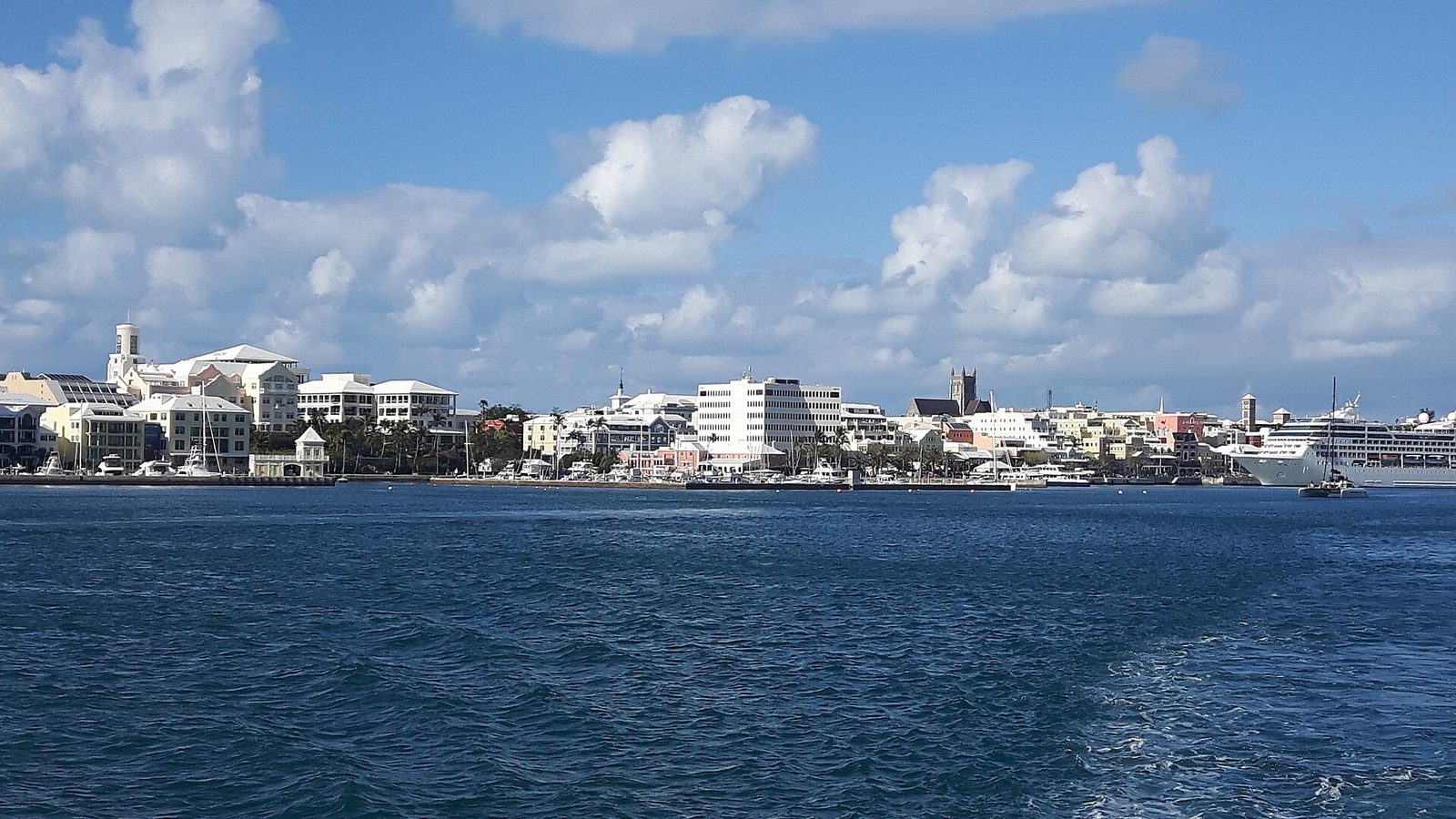 Regulator: BMABermudaReinsurance, captives and insurance-linked securities. No personal income tax, so packages are set differently.CFO and FD search →
 Regulator: GFSCGuernseyCaptive insurance, investment funds and fiduciary services across the Bailiwick.CFO and FD search →
 Regulator: JFSCJerseyTrust, fund administration and private wealth businesses that need UK-standard finance leadership.CFO and FD search →
Related services: international CFO recruitment, interim CFO, fractional CFO, Group CFO recruitment and CFO executive search.
Adrian Lawrence FCA
Founder, FD Capital and FD Capital Group
Adrian is a Chartered Accountant and Fellow of the ICAEW with a practising certificate, and a former listed-company Finance Director with more than 25 years at C-suite level. He founded FD Capital in 2018 and has since built FD Capital Group. International searches are run by the group’s specialist team, with Adrian overseeing each mandate.
Hiring a CFO or Finance Director in the Cayman Islands?
Tell us about the business, the role and your timescale. We will come back with a view on the candidate market, likely packages and how quickly we can put a shortlist together.