
Finance Directors and CFOs for Guernsey’s captive insurers, insurance managers, fund administrators, fiduciaries, banks and family offices. Searches are run by FD Capital’s specialist team, with Adrian Lawrence FCA overseeing each mandate.
Europe’s captive insurance centre
Guernsey is a British Crown Dependency in the Channel Islands, with its own parliament, tax system and regulator. Together with Alderney and Sark it forms the Bailiwick of Guernsey, which is a separate jurisdiction from Jersey with different laws, a different regulator and its own rules on housing and employment. Financial services are regulated by the Guernsey Financial Services Commission (GFSC).
Guernsey has a broad financial services industry covering investment funds, fiduciary services, banking and wealth management, but its most distinctive specialism is insurance. It is one of Europe’s largest captive insurance domiciles, home to captives owned by multinational groups, cell companies, commercial insurers and reinsurers, and the insurance managers that run many of them. That gives Guernsey a deeper pool of insurance finance roles, and insurance finance talent, than its size would suggest.
FD Capital International runs searches for Guernsey businesses that need senior finance leadership, on a permanent, interim or fractional basis. Our service is client-led: we find finance leaders for businesses, rather than placing candidates who want to move to the island.
Insurance, funds, fiduciary, banking and investment business.
Plus banking, wealth management and family offices.
Personal income tax at 20%.
Captive insurance and the finance role
A captive is an insurer owned by a business or group to insure its own risks, or the risks of its customers or members. Large companies use captives to manage the cost of cover, fill gaps in the commercial market and access reinsurance directly. Guernsey has been a leading captive domicile for decades, and it introduced the protected cell company in the late 1990s, a structure that lets one legal entity hold many ring-fenced cells. Cells are now used for rent-a-captive arrangements, for smaller groups that could not justify a standalone captive, and for some insurance-linked securities.
Most Guernsey captives have no staff of their own. They are run by licensed insurance managers, which provide accounting, underwriting administration, compliance and company secretarial services to a portfolio of insurers. That shapes the finance roles on the island in three ways:
- insurance managers need Finance Directors to run their own business and, often, senior finance staff who oversee the accounts of dozens of client captives and cells;
- larger captives and commercial insurers hire their own CFO or Finance Director, who reports both to the Guernsey board and into the parent group’s finance function;
- smaller captives often need a non-executive or fractional finance lead who can challenge the manager, chair or attend the audit committee and represent the parent’s interests.
The technical content of these roles is demanding. Licensed insurers must meet the GFSC’s capital requirements, which are set as a prescribed capital requirement and a minimum capital requirement, and carry out their own risk and solvency assessment proportionate to their business. The finance lead has to understand technical reserves and the actuarial work behind them, investment and credit risk, reinsurance recoveries and the accounting for cells. Where the captive’s parent reports under IFRS 17, the Guernsey finance team also has to deliver the data the group needs for its own insurance contract reporting, which may differ from the captive’s local accounts.
What Guernsey Finance Directors are responsible for
Insurance managers and commercial insurers
A Finance Director at a Guernsey insurance manager runs a professional services business. Fee income across a large client book, staff costs, pricing, client profitability and the manager’s own licence requirements all sit with them. At a commercial insurer or reinsurer, the role looks more like an insurance CFO role in London: regulatory returns and capital planning, reserving, reinsurance programmes, investment reporting and close work with the actuarial function. Candidates from the Lloyd’s and London markets can move well into these roles, with time to learn the GFSC framework.
Investment funds and fund administration
Guernsey is an established domicile for private equity, real estate, infrastructure and debt funds, and several listed investment companies on the London Stock Exchange are incorporated there. Its regimes include authorised and registered funds and the Private Investment Fund, which suits managers with a small number of investors. We Are Guernsey, the island’s finance industry body, publishes information on the funds sector. Finance Directors at fund administrators run a regulated client-service business. Finance leaders at managers and investment companies look after fund accounts, valuations, net asset value reporting and board papers. The International Stock Exchange, which lists debt securities and investment vehicles, is also based in Guernsey.
Fiduciary, banking and family offices
Guernsey’s licensed fiduciaries administer trusts, foundations and companies for international families. Banks and wealth managers on the island, many of them subsidiaries of UK and international groups, report to the GFSC on capital and liquidity and into their parent’s reporting cycle. Family offices need consolidated reporting across many entities, cash and investment oversight and a Finance Director the family can rely on. Many of these businesses are well suited to a fractional Finance Director.
Tax and substance
Guernsey’s corporate income tax works on three rates. Most companies pay 0%, certain banking, fiduciary, insurance and fund administration business is taxed at 10%, and income from Guernsey property and some regulated utilities is taxed at 20%. There is no capital gains tax or inheritance tax. Companies carrying on relevant activities have had to meet economic substance requirements since 2019, which for insurers and fund managers means showing that the business is directed and managed on the island. Groups within the scope of the OECD’s global minimum tax rules also need to understand how they apply to their Guernsey entities. Up-to-date guidance is published by the States of Guernsey.
How Guernsey Finance Director roles are structured
Insurance managers, fund administrators, fiduciaries and banks of any size usually hire a permanent Finance Director or CFO on the island. Interim cover is common during a departure, a change of insurance manager or administrator, a regulatory review or a reporting change such as IFRS 17. Smaller captives, investment companies and family offices often use a fractional Finance Director, either based in Guernsey or in the UK with regular visits, and frequent flights to the south of England make that practical. The ranges below are indicative and vary with the size of the business and the experience required.
| Engagement | Typical package | Notes |
|---|---|---|
| Permanent CFO, insurance or fund administration | £110,000 to £230,000 base | Bonus and benefits vary by ownership |
| Permanent Finance Director, trust or fiduciary | £80,000 to £150,000 base | Broadly comparable to senior UK regional rates |
| Fractional FD or CFO, Guernsey-based or UK with visits | £750 to £1,500 a day | Travel costs charged separately for UK-based executives |
| Interim FD or CFO, on-island | £850 to £1,700 a day | Accommodation is often provided |
Guernsey personal income tax is charged at 20%, with caps available to higher earners, which compares well with UK higher and additional rates. People moving to Guernsey to work are managed under the island’s population management regime. Most need an employment permit, issued for short, medium or long terms depending on the role and the skills involved, and the type of permit affects how long the person can stay and where they can live. Properties on the open market register are available to anyone, but are generally more expensive than local market housing. Employers should check the permit position before the search begins. FD Capital’s CFO pay guide gives UK comparisons.
Finding the right finance leader for Guernsey
- A detailed brief. We start with the business and its licences, and for insurers, its structure: standalone captive, cell company, commercial insurer or insurance manager. Then we agree whether the role should be permanent, interim or fractional.
- A targeted search. We approach finance leaders in Guernsey and Jersey, and in the Lloyd’s, London market and corporate insurance community, as well as fund and fiduciary specialists, drawing on FD Capital Group’s CFO executive search network.
- Technical assessment. Candidates are tested on GFSC capital and reporting requirements, reserving, IFRS 17 and the accounting for cells, or on fund and fiduciary reporting where that is the role, by people who understand finance.
- Permits and housing early. For candidates moving to the island we confirm the likely employment permit and housing position before interviews progress.
- Support to appointment. We manage interviews, references, offer negotiation and notice periods through to the start date.
Guernsey Finance Director recruitment questions
Does our captive need its own Finance Director if an insurance manager runs it?
Not always. Many captives rely on their manager for day-to-day accounting. But as a captive grows, or takes on third-party risk, the board often wants its own senior finance lead to challenge the manager, oversee reserving and capital, and connect the captive to the parent group. A fractional Finance Director or a finance-qualified non-executive is often the right first step.
Can someone from the London insurance market do a Guernsey role?
Often, yes. Finance leaders from Lloyd’s syndicates, London market insurers and corporate risk functions understand reserving, reinsurance and capital, which is the hardest part to learn. The GFSC framework and the mechanics of cell companies can be picked up with support. Where the role needs someone productive from day one, we focus on candidates with Guernsey or Channel Islands insurance experience.
Is Guernsey recruitment the same as Jersey recruitment?
No. The two islands are separate jurisdictions with different regulators, tax rules and population controls. Guernsey has more insurance and captive work, while Jersey has a larger fiduciary and fund administration sector. Some candidates are open to either island, but a move between them is still a relocation, so we treat each search on its own terms.
Will a Finance Director moving from the UK need a permit?
In most cases, yes. Someone without a local connection usually needs an employment permit under the population management regime, and the length of permit available depends on the role. Senior finance roles are generally treated as skilled positions, but the permit and its terms should be confirmed before an offer is made, because they affect housing options and how long the person can stay.
Other offshore centres
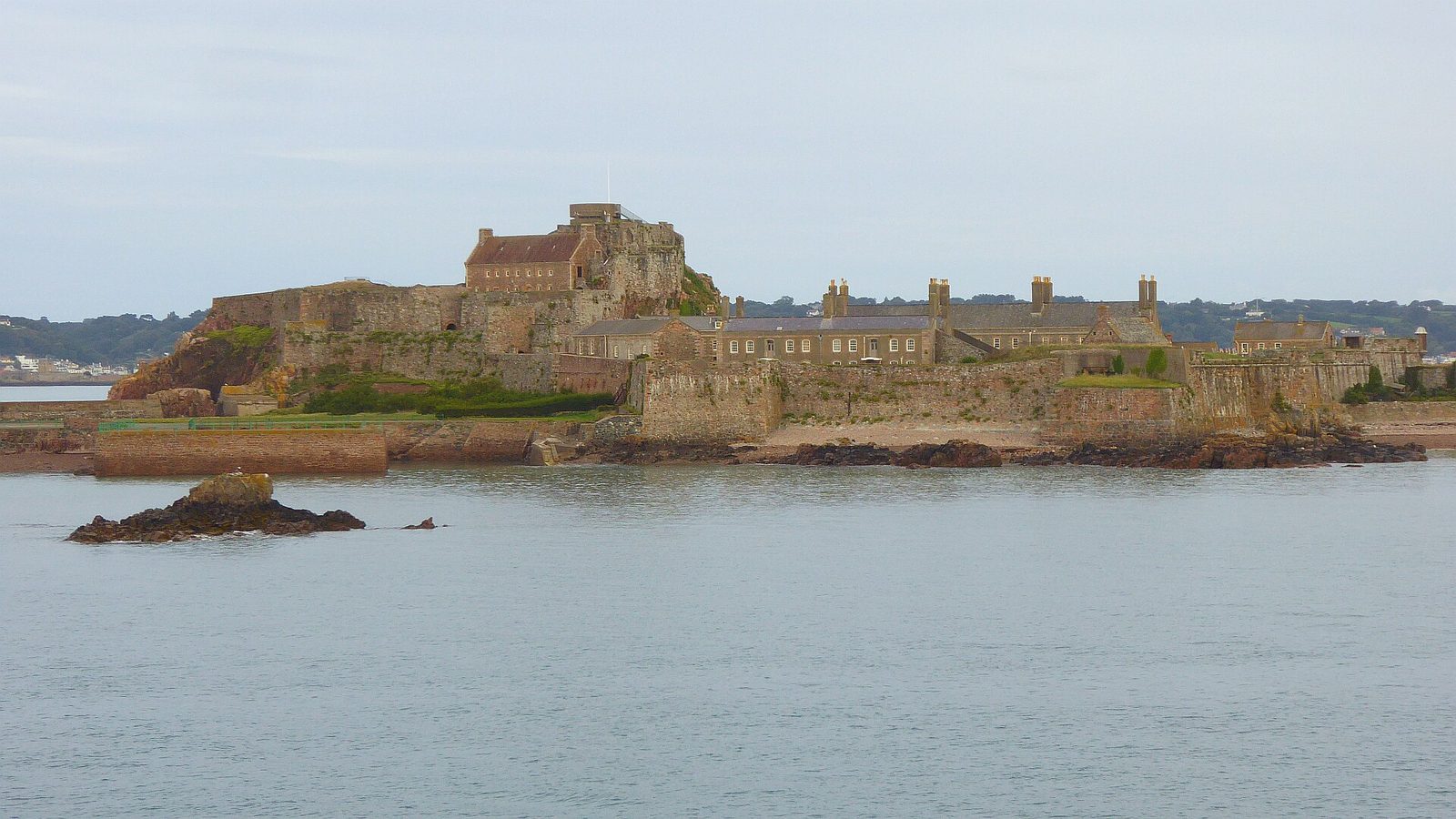 Regulator: JFSCJerseyTrust, fund administration and private wealth businesses that need UK-standard finance leadership.CFO and FD search →
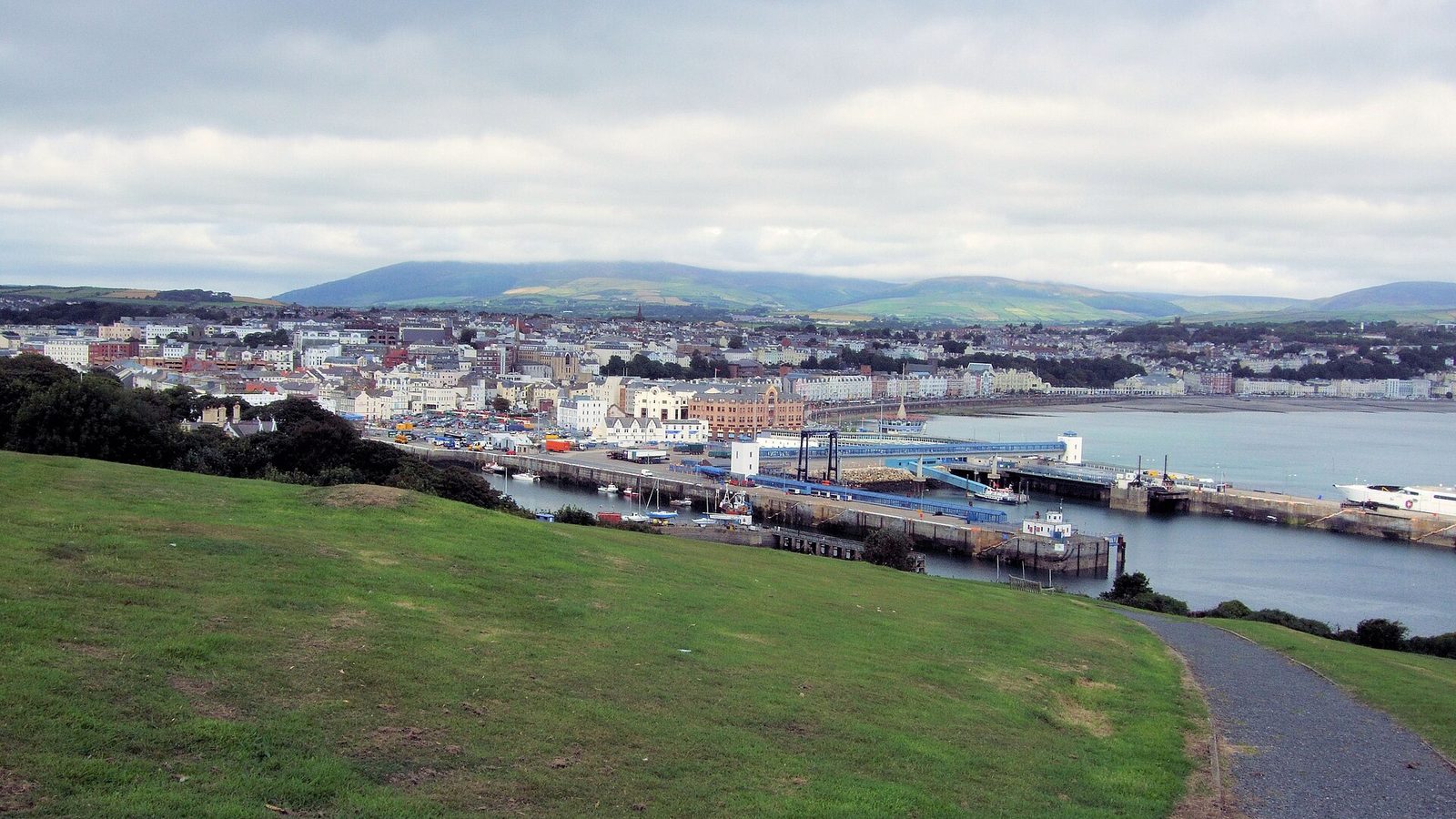 Regulator: IOMFSAIsle of ManInsurance, e-gaming and corporate services businesses on the island.CFO and FD search →
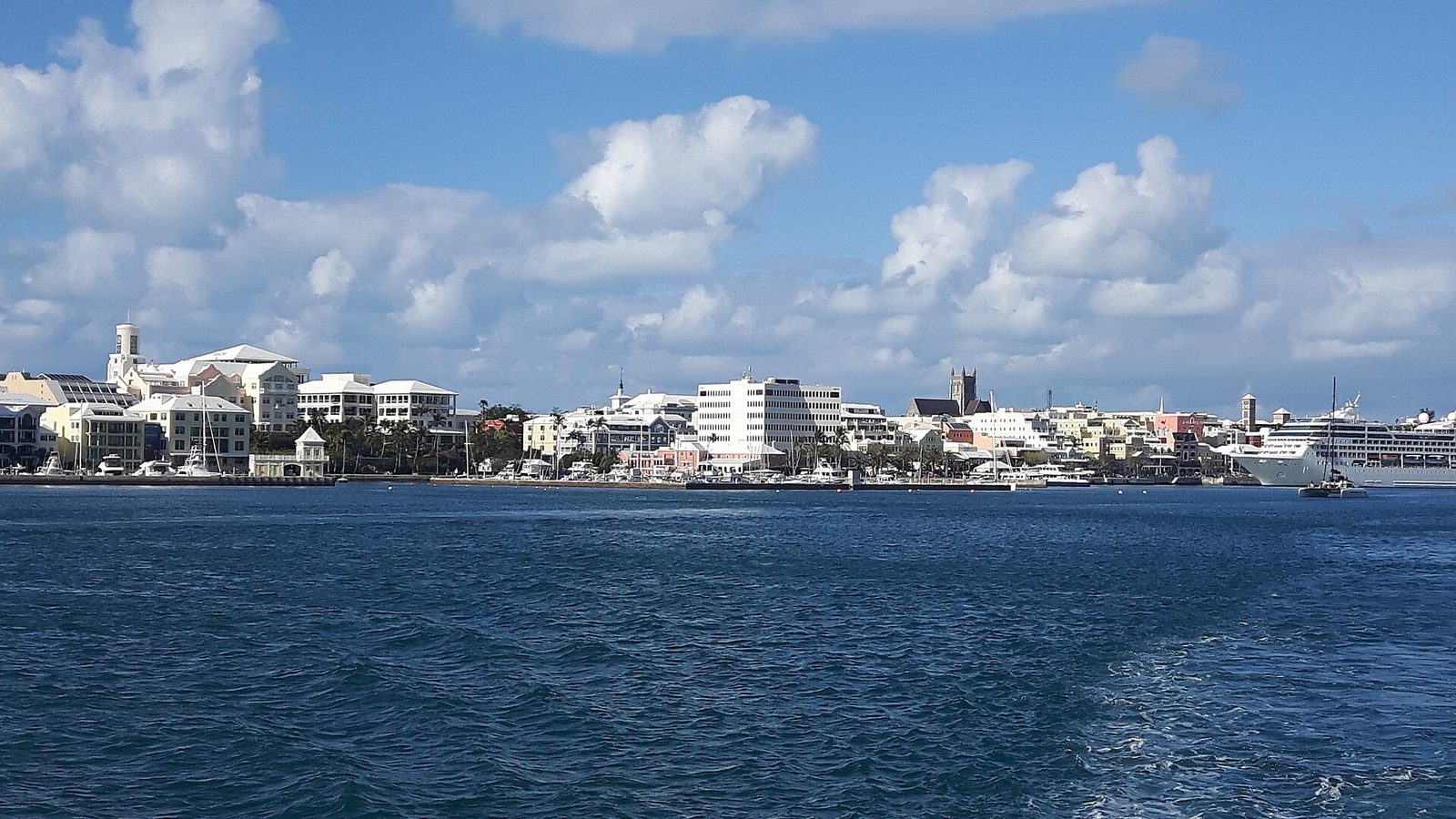 Regulator: BMABermudaReinsurance, captives and insurance-linked securities. No personal income tax, so packages are set differently.CFO and FD search →
Related services: international CFO recruitment, interim CFO, fractional CFO, Group CFO recruitment and CFO executive search.
Adrian Lawrence FCA
Founder, FD Capital and FD Capital Group
Adrian is a Chartered Accountant and Fellow of the ICAEW with a practising certificate, and a former listed-company Finance Director with more than 25 years at C-suite level. He founded FD Capital in 2018 and has since built FD Capital Group. International searches are run by the group’s specialist team, with Adrian overseeing each mandate.
Hiring a Finance Director or CFO in Guernsey?
Tell us about the business, the role and your timescale. We will come back with a view on the candidate market, likely packages and how quickly we can put a shortlist together.